
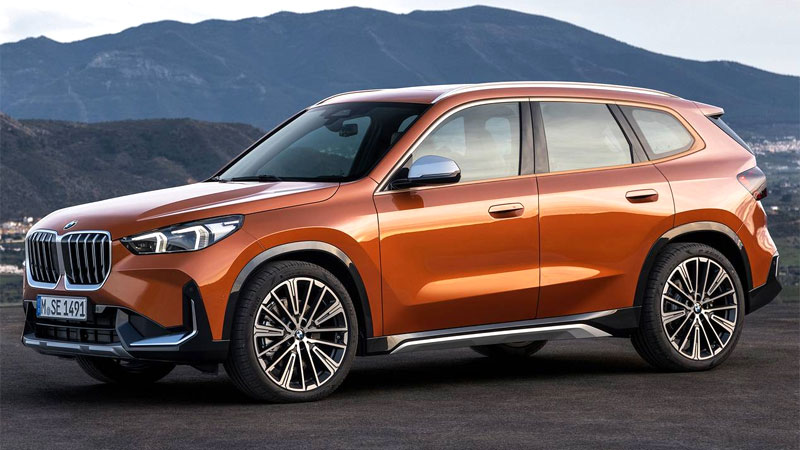
When it starts raining while you’re driving, you shouldn’t have to think twice about whether or not your BMW X1’s wiper blades will perform as expected. To have this confidence, you need to make sure to keep fresh wiper blades on your vehicle at all times.
One easy way to get the new, proper-fitting wiper blades is to check the chart on this page. By finding blades that are the correct size for your X1, you can make sure that the installation process will be quick and easy. Don’t waste another day with wiper blades that squeak and skip when they’re in operation and order a new set today.

BMW X1 Wiper Blade Size Chart
| Year | Style | Driver | Passenger | Rear | Recommended |
|---|---|---|---|---|---|
| 2022 | SUV | 26" | 16" | 13" | Bosch ICON |
| 2021 | SUV | 26" | 16" | 13" | Bosch ICON |
| 2020 | SUV | 26" | 16" | 13" | Bosch ICON |
| 2019 | SUV | 26" | 16" | 13" | Bosch ICON |
| 2018 | SUV | 26" | 16" | 13" | Bosch ICON |
| 2017 | SUV | 26" | 16" | 13" | Bosch ICON |
| 2016 | SUV | 26" | 16" | 13" | Bosch ICON |
| 2015 | SUV | 24" | 18" | 12" | Bosch ICON |
| 2014 | SUV | 24" | 18" | 12" | Bosch ICON |
| 2013 | SUV | 24" | 18" | 12" | Bosch ICON |
| 2012 | SUV | 24" | 18" | 12" | Bosch ICON |
About the BMW X1
The smallest of BMW’s current SUVs, the BMW X1 first appeared in showrooms in 2012 in the United States (2010 in Europe). Already in its third generation, the X1 slowly gained in popularity through the years until it set a model sales record in 2018. The X1’s small size makes it attractive when gas prices are high, while its luxurious interior and refined exterior make it popular with high-end buyers who don’t need a huge vehicle.
Under the hood of the current BMW X1 is a turbocharged 4-cylinder engine that’s good for 228 horsepower. This allows the X1 to have a peppy acceleration from zero to 60 miles per hour in just over six seconds. Despite this considerable power, the small body size and efficient engine of the BMW X1 allow it to get up to 34 miles per gallon when driving on the highway.
Other SUVs in the compact luxury SUV category include the Audi Q3, Volvo XC40, Lexus NX, and Mercedes GLA. Compared to these other SUVs, the X1 can be expected to have more refined handling because of the extensive engineering that BMW puts into every one of its SUVs.
Additionally, many buyers appreciate the large cargo area that the X1 offers. At over 50 cubic feet with the rear seats folded down, it’s easy to carry just about anything you need for a great adventure.
For a luxurious, fuel-efficient, and nimble SUV that stands strong on its maker’s heritage, the BMW X1 deserves to be at the top of any serious buyer’s list.
See Also: BMW X3, BMW X5, BMW 325-Series, BMW 328-Series